
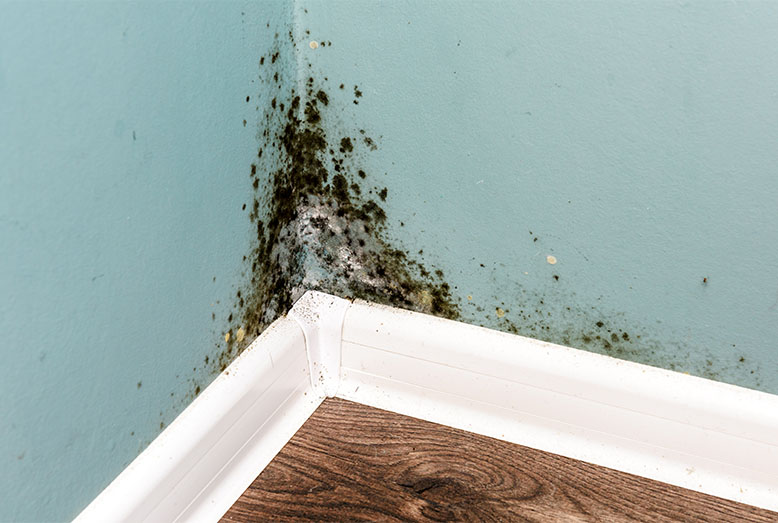
Mold in a home can cause concern. You may notice odors, stains, or changes in how you feel. You may not know what is causing the problem. Residential mold inspection and testing help identify possible mold issues and explain what is happening inside your home.
Unbiased Mold Testing provides residential mold inspection and testing in Washington, DC. Our service focuses only on testing. We do not remove mold or sell repairs. It allows homeowners to receive precise results without pressure. Our goal is to provide simple, honest information so you can decide what to do next.
Mold can grow in many areas of a house, especially where moisture is present. Common locations include basements, bathrooms, kitchens, crawl spaces, and laundry rooms. Roof leaks, plumbing issues, and high humidity can increase the risk of mold growth and affect indoor air quality.
Some homeowners notice spots on walls or ceilings, while others detect strong or musty odors. In some cases, people experience headaches, allergy symptoms, or breathing discomfort. Mold is not always visible and may exist behind walls or under flooring. Residential mold inspection and testing help identify problems that are not easy to see.
Testing provides clear answers. Instead of guessing, homeowners receive real results. Written reports explain indoor conditions in simple, clear language.
A residential mold inspection and testing includes several steps to gather helpful information about your home. Each inspection is planned based on the home’s layout and the concerns you share.
Each part of the inspection is handled with care. The goal is to give homeowners useful information they can understand and use.
Residential mold inspection and testing help remove doubt. Homeowners gain clear answers about indoor conditions. There is no pressure to fix or repair anything.
This service supports health awareness, comfort, and home planning. Because testing is independent, results are based only on findings. They are not tied to sales or repairs.
By focusing only on testing, the process stays fair and honest.
Our residential mold inspection and testing process follows a simple structure. Each step is explained to ensure homeowners know what to expect.
We will discuss your concerns with you. We schedule the inspection. It helps us know which areas need attention.
We inspect indoor spaces. We collect samples when needed. It may include air or surface samples, depending on the results.
A laboratory tests samples. We provide a written report. We explain the results using simple, clear language.
This process helps ensure accurate testing and clear communication.
Unbiased Mold Testing provides residential mold inspection and testing in Washington, DC, and nearby areas. We also serve surrounding communities throughout Maryland and the Baltimore region.
Our services support a wide range of homes. It includes single-family houses, townhomes, and residential units. Each inspection is handled with care and clear communication.
If you are concerned about mold in your home, professional testing can help. Our team explains the process, clearly reviews the results, and enables you to understand the next steps without pressure.
Have questions about residential mold testing? Call today to speak with a knowledgeable representative. We are ready to answer questions, explain the process, and help schedule testing for your home.
Unbiased Mold Testing was started in 2013 and is based in Washington, DC. Before opening this company, we worked in the restoration industry and gained firsthand experience with mold inspections. During that period, we identified a serious issue affecting many property owners and causing confusion during inspections.
© 2026 Unbiased Mold Testing | All Rights Reserved | Digital Marketing by Set Up My SEO