
Mold problems can be hard to spot. Many homeowners suspect something is wrong but are unsure what to do next. Mold often grows in places you cannot see, like behind walls or under floors.
A mold inspection helps uncover hidden issues in your home. It shows what is happening and why. Knowing what to expect during a mold inspection can help you act with confidence. This guide explains the process step by step and helps you determine when to take action.
Mold needs moisture to grow. Even small leaks or damp air can cause problems over time. When mold grows out of sight, it can spread before anyone notices.
A mold inspection helps bring these issues to light. It provides clear answers rather than guesswork.
A mold inspection can help:
The goal is to understand what is happening inside the home.
Before the inspection begins, the inspector gathers information. It helps focus the inspection on the right areas.
Homeowners may be asked about:
The inspector explains what will happen during the visit. It helps reduce stress and confusion.
The inspection usually starts with a visual review. The inspector looks for signs of mold or moisture.
Common areas checked include:
Even minor stains or peeling paint can indicate moisture issues.
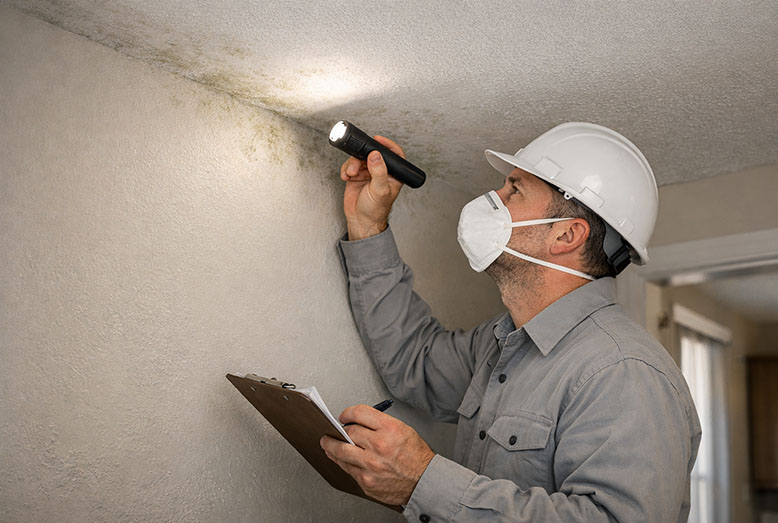
A visual inspection helps determine whether testing is needed.
Moisture is a key part of mold growth. Inspectors look for signs of dampness, even when mold is not visible.
They may check:
These conditions help explain why mold may be present.
Not every inspection includes testing. Testing is used when there are signs of hidden mold or concerns about air quality.
Testing methods may include:
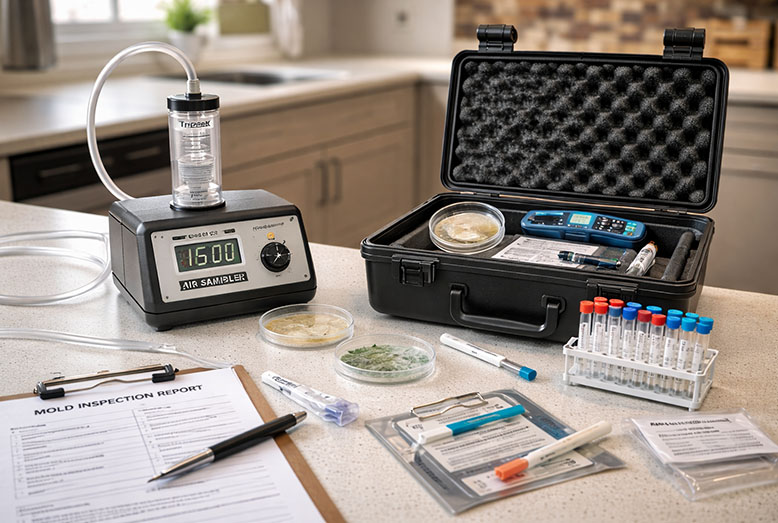
Samples are sent to a lab. The lab identifies mold types and levels.
After testing, results are shared in a written report. The report explains the findings in simple terms.
Reports often include:
Independent inspections focus on facts, not selling repairs.
Some companies inspect for mold and also sell cleanup services. It can be unclear.
Independent mold inspections are different. The focus is only on testing and results. There is no pressure to fix or remove anything.
Unbiased Mold Testing provides independent mold inspection services in Washington, DC. The goal is clear information and honest guidance.
Most mold inspections take one to two hours. The time depends on the home’s size and the areas reviewed.
Factors include:
Inspectors take time to be thorough without rushing.
After the inspection, homeowners should review the report carefully. It helps them understand the findings.
Helpful steps include:
For a detailed overview of available inspection options, homeowners can review our services page.
Many people worry that mold inspections always lead to costly repairs. It is not true.
Other common myths include:
Mold inspections are about learning, not pressure.
There is no set schedule. Inspections are helpful when signs appear or after water damage.
An inspection may include testing, but testing is only done when needed.
Yes. Mold often grows behind walls or under floors.
Independent inspections focus solely on the inspection and results, not on repairs.
Mold problems do not always show clear signs. Waiting too long can allow issues to grow and affect indoor air quality. A mold inspection provides clarity and helps homeowners make informed decisions.
If you have questions about mold inspection results or testing options, contact us to speak with a knowledgeable team member.
To learn more about mold, air quality, and home health topics, continue to visit our blog for helpful information and updates.
To schedule an inspection with Unbiased Mold Testing, fill out the quick form below. We’ll set up your appointment right away, and answer all your questions about mold safety. Open every day, 7 days a week from 8AM – 8PM.
Have a question? Send us a message using our short form.
For faster service, call us at (888) 786-6653 “MOLD”
Available for Mold Inspections 7 Days a Week! (Monday – Sunday)
8:00 AM – 8:00 PM

Unbiased Mold Testing was started in 2013 and is based in Washington, DC. Before opening this company, we worked in the restoration industry and gained firsthand experience with mold inspections. During that period, we identified a serious issue affecting many property owners and causing confusion during inspections.