
Mold problems often start quietly. Many homeowners do not realize there is an issue until smells appear, health concerns rise, or damage becomes visible. By then, mold may already be spreading behind walls or under floors.
Mold testing helps answer one crucial question: Is mold present, and what does it mean for your home? Knowing when to act can protect your indoor air, your property, and your peace of mind. This guide explains the key warning signs and when mold testing is the right next step.
Mold does not always grow in plain sight. It often forms in dark, damp areas like crawl spaces, attics, wall cavities, or behind appliances. Because of this, many homes have mold problems without obvious signs.
Common reasons mold goes unnoticed include:
Mold testing helps uncover problems that are not easy to see. For more helpful topics like this, visit our blog for additional guides and updates.
A musty or earthy smell is one of the most common signs of mold. Even if you cannot see mold, odors often indicate that spores are in the air.
These smells may appear:

If the smell returns after cleaning, mold testing is strongly recommended.
Seeing mold is an apparent reason to test. Mold can appear as black, green, white, or gray spots. It may grow on walls, ceilings, baseboards, or around vents.
However, visible mold does not tell the whole story. Testing helps:
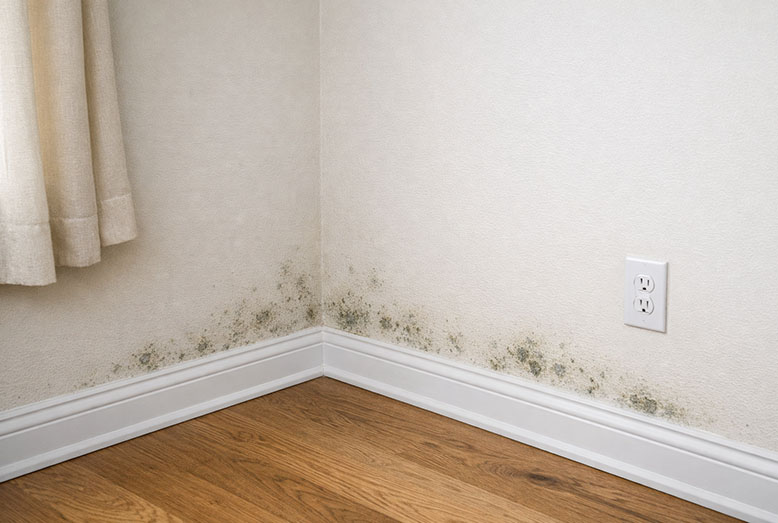
Testing provides answers beyond what the eye can see.
Many people first notice mold issues through changes in their health. Symptoms often improve when away from home and worsen upon return.
Common symptoms include:
While symptoms alone do not confirm mold, testing helps determine if indoor conditions may be contributing.
Any history of water damage increases the risk of mold. Even after repairs, moisture may remain trapped within walls or floors.
Situations that often lead to hidden mold include:
Mold testing helps confirm whether moisture problems led to mold growth.
Mold testing is standard during real estate transactions. Buyers want to understand the home’s condition. Sellers wish to avoid surprises during inspections.
Testing helps:
Independent mold testing is invaluable when precise, unbiased results are needed. You can learn more about testing options by reviewing our services.
Indoor air quality testing often goes hand in hand with mold testing. Mold spores travel through the air and can affect how a space feels and smells.
Signs of poor indoor air quality include:
Mold testing helps determine whether spores are affecting indoor air quality.
Construction and renovations can disturb hidden mold. Opening walls or ceilings may release spores into the air.
Testing after renovations helps:
This step is often overlooked but very important.
Some companies test for mold and also sell repairs. It can create confusion about whether work is truly needed.
Independent mold testing focuses only on results. There is no pressure to repair or remove anything. The goal is clear information so homeowners can decide what to do next.
Unbiased Mold Testing provides independent mold testing in Washington, DC, with honest guidance and clear reports.
There is no set schedule. Mold testing is recommended when warning signs appear or after water damage.
Yes. Mold often grows behind walls, under floors, or inside HVAC systems.
Testing can still be helpful after leaks or flooding, and when buying or selling a home.
Independent mold testing focuses only on testing and results, not repairs.
Mold problems do not always announce themselves. Waiting too long can allow issues to grow and affect indoor air quality. Mold testing provides clarity when warning signs appear and helps homeowners make informed decisions. If you have any questions, contact us to learn more about mold testing options.
If you want to learn more about mold testing, indoor air quality, or related topics, keep checking our blog for helpful information and updates.
To schedule an inspection with Unbiased Mold Testing, fill out the quick form below. We’ll set up your appointment right away, and answer all your questions about mold safety. Open every day, 7 days a week from 8AM – 8PM.
Have a question? Send us a message using our short form.
For faster service, call us at (888) 786-6653 “MOLD”
Available for Mold Inspections 7 Days a Week! (Monday – Sunday)
8:00 AM – 8:00 PM
Unbiased Mold Testing was started in 2013 and is based in Washington, DC. Before opening this company, we worked in the restoration industry and gained firsthand experience with mold inspections. During that period, we identified a serious issue affecting many property owners and causing confusion during inspections.